
The Role of Algorithms in Advanced Solving Techniques
Introduction
In speedcubing, algorithms serve as the foundation for advanced solving techniques. They provide step-by-step instructions to efficiently manipulate cube pieces, enabling solvers to achieve lightning-fast times. But how exactly do algorithms shape high-level solving methods, and why is understanding them crucial? Let’s dive into their significance.
How Algorithms Power Advanced Solving
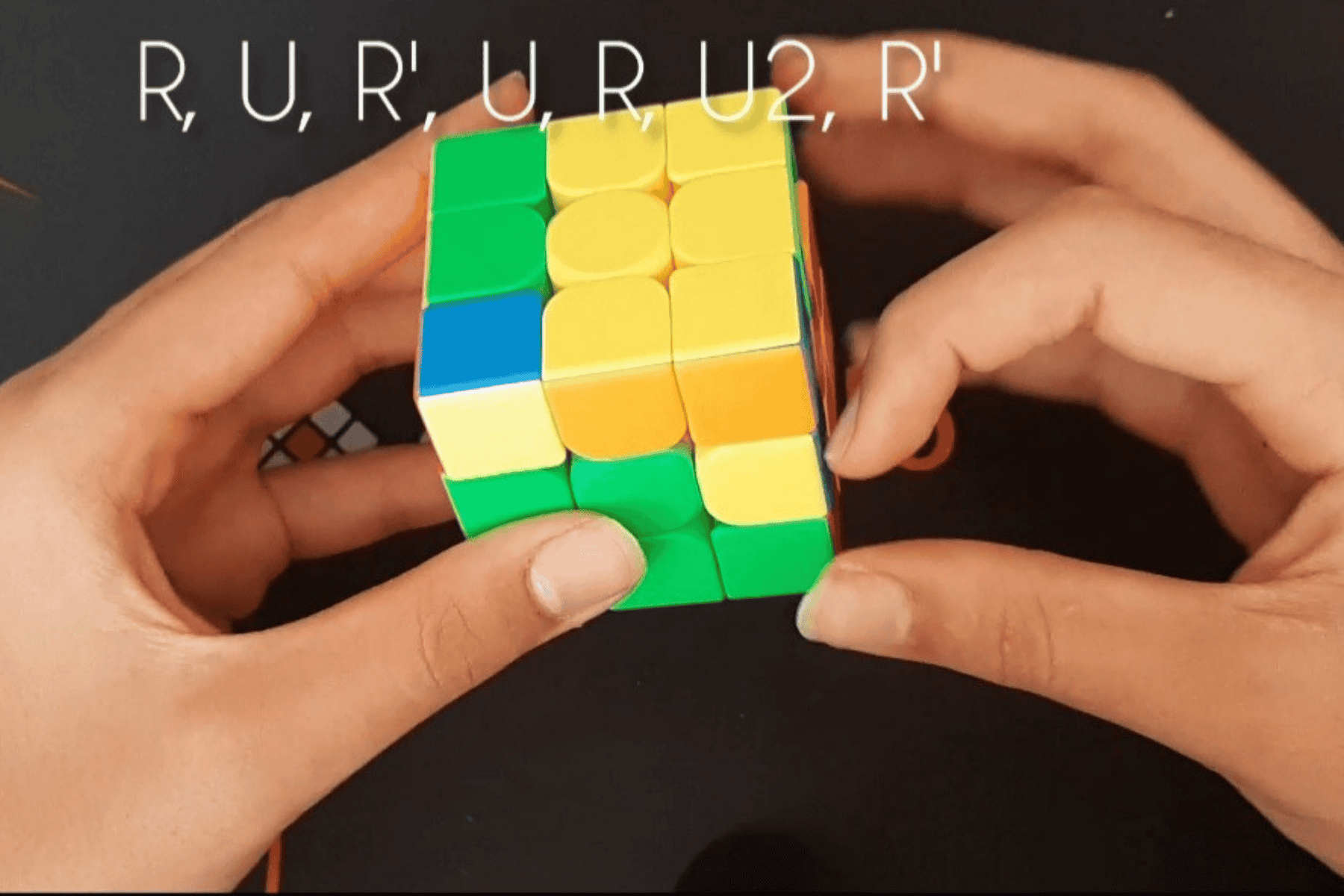
Methods like CFOP (Fridrich Method) and Roux heavily rely on algorithms, particularly in the last layer solving process. Some key algorithm sets include:
- OLL (Orientation of the Last Layer) – 57 algorithms to orient all last-layer pieces correctly.
- PLL (Permutation of the Last Layer) – 21 algorithms to position last-layer pieces efficiently.
Memorizing these algorithms allows solvers to execute last-layer steps in minimal moves, reducing solve times to sub-10 seconds and beyond.
Beyond Memorization: Understanding Algorithm Logic
While memorizing algorithms is beneficial, understanding their logic is equally important. This deeper insight allows solvers to:
✅ Modify and create custom algorithms for unique cube states.
✅ Adapt techniques to different puzzles, such as 4x4x4, Pyraminx, and Square-1.
✅ Improve efficiency by recognizing patterns and reducing unnecessary moves.
Mastering Algorithms for Faster Solves
Investing time in algorithm learning is one of the best ways to improve in speedcubing. A balance between memorization and logical understanding helps solvers refine their skills, solve with confidence, and push their limits toward world-class times.
Final Thoughts
Algorithms are more than just sequences—they are the key to unlocking faster, more efficient solving techniques. By mastering them, speedcubers can elevate their skills and stay ahead of the game.